
Selecting the right jewelry 3D printer for precise wax patterns involves far more than comparing specification sheets. In waxjet-based 3D printing, output quality directly impacts casting accuracy, surface finish, and overall production efficiency. This guide explains how to properly evaluate wax patterns and outlines the essential performance standards required for professional jewelry manufacturing.
How to Assess Wax Pattern Quality in Jewelry WaxJet Printing
In jewelry waxjet printing, a wax model must do more than resemble the CAD design—it must accurately reproduce fine details, maintain dimensional stability, and ensure consistency for casting.
Surface Smoothness and Layer Uniformity
Although layer lines are unavoidable in waxjet printing, high-quality outputs should show minimal and consistent layering.
Key indicators include:
- Uniform, finely controlled layer structure
- Smooth transitions on curved geometries without rippling
- Layer visibility only under magnification
Excessively visible layer lines will transfer directly into metal casting, increasing finishing time and reducing surface quality.
XY Accuracy and Fine Detail Reproduction
Jewelry designs often contain micro-level features, making XY precision a critical benchmark.
Important evaluation points:
- Crisp micro-text and fine engraving clarity
- Accurate stone seats and prong geometry
- Sharp edges without deformation or softening
Poor XY accuracy typically results in:
- Thickened fine details and closed micro-holes
- Slight asymmetry in geometric structures
- Deviations between CAD design and printed output
These issues can directly affect gemstone fitting and assembly precision.
Z-Axis Stability and Vertical Consistency
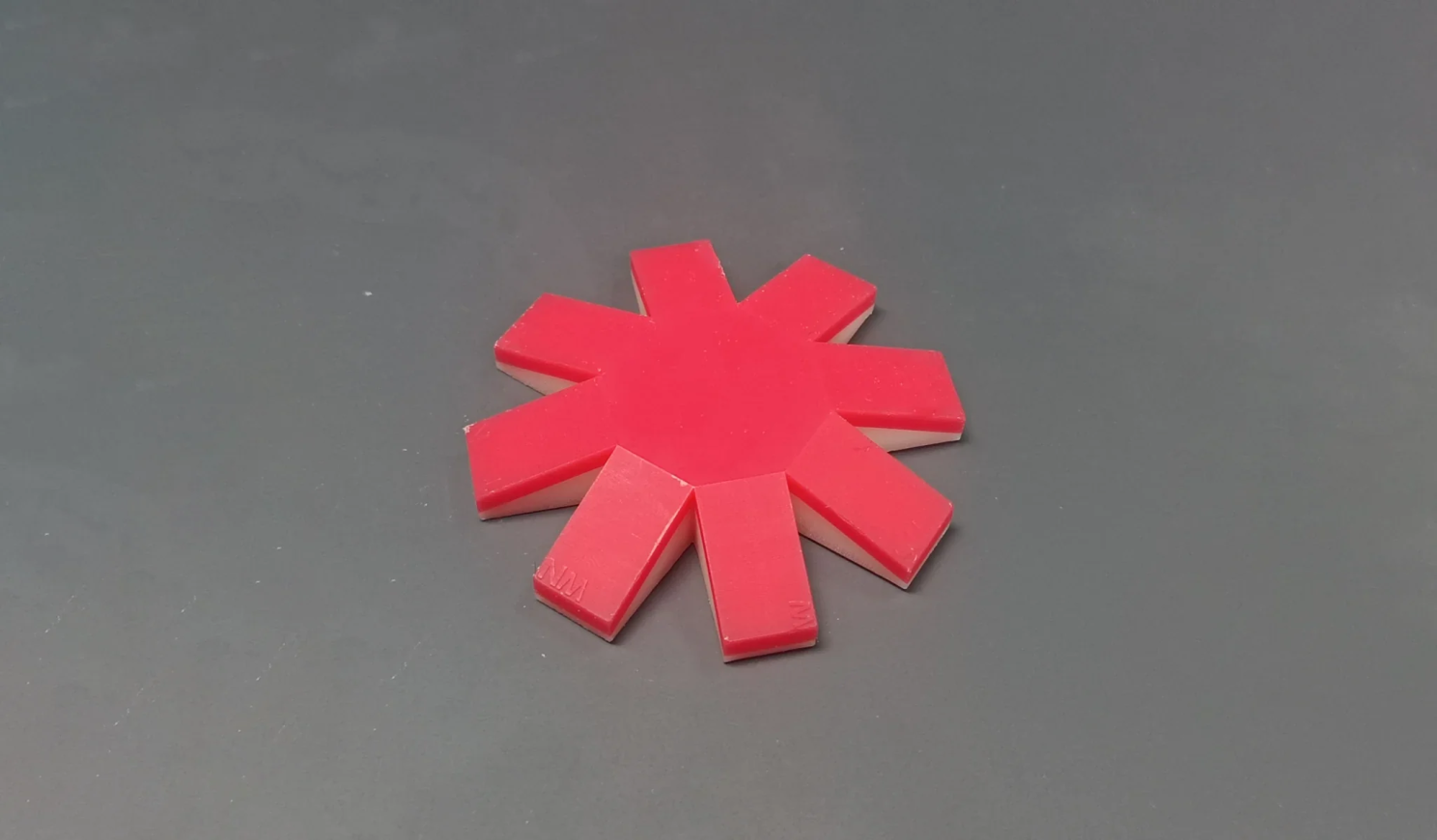
The Z-axis determines how well vertical detail and layer transitions are maintained. It is commonly tested using step-like calibration models.
A high-performance system should deliver:
- Clearly defined step edges
- Smooth vertical transitions without banding
- No visible waviness on tall structures
Instability in the Z-axis often leads to distorted surfaces and uneven vertical geometry.
Microstructure Integrity and Complex Geometry Handling
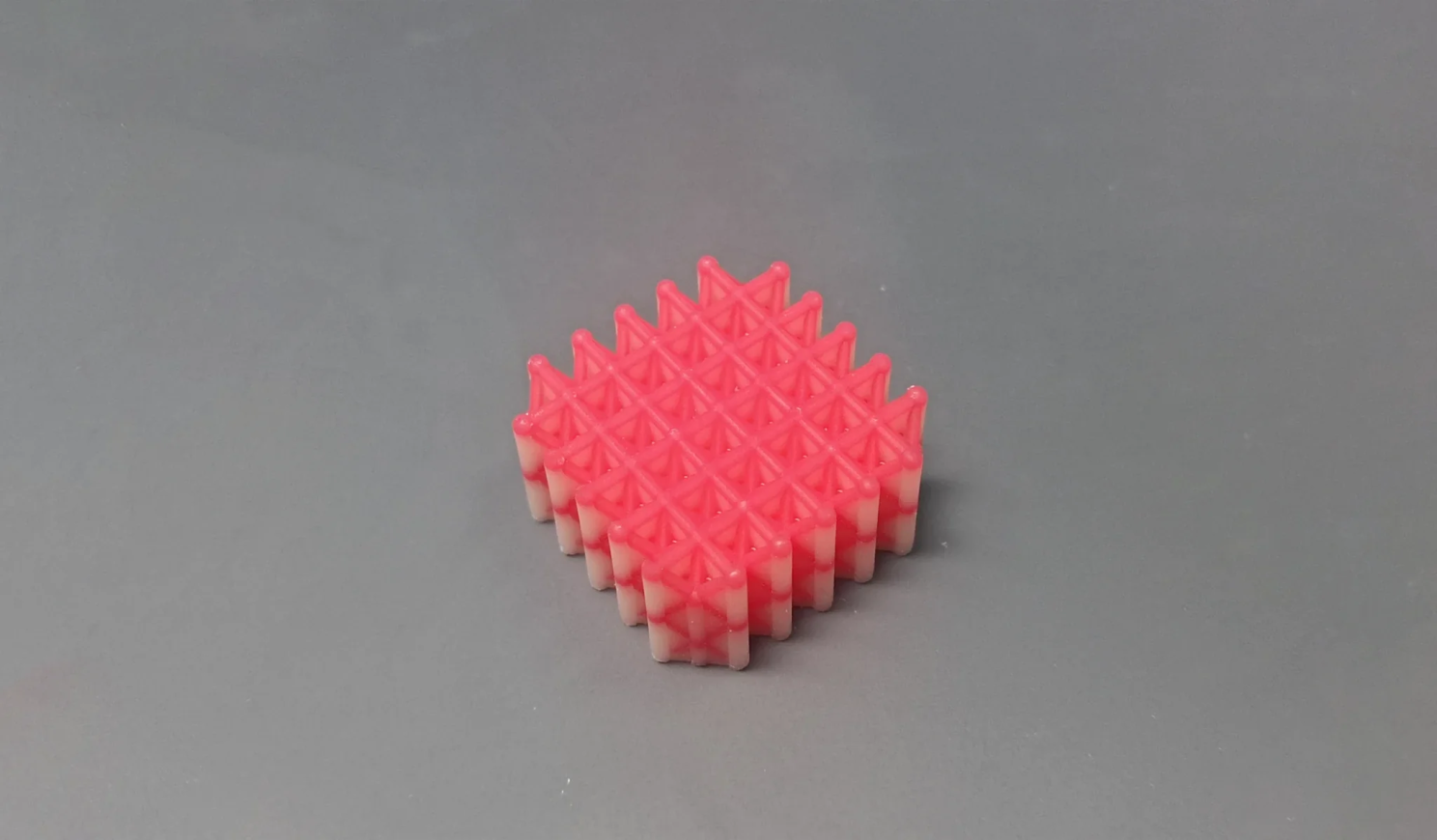
Jewelry wax models often combine thin walls, internal cavities, and sharp transitions.
A reliable printer should ensure:
- Stable thin-wall structures without collapse
- Fully formed internal channels and cavities
- Accurate reproduction of both sharp and rounded features
This capability is a key differentiator between professional wax printers and general-purpose 3D printers.
Performance in Investment Casting
Ultimately, wax pattern quality must be judged by its casting behavior.
A high-quality model should provide:
- Easy handling without deformation
- Clean burnout with minimal residue
- Reduced casting defects and post-processing work
True production-grade wax printing ensures consistency across printing, casting, and finishing stages.
Key Performance Standards for Professional Wax 3D Printing
Mechanical Precision and Dimensional Control
Mechanical stability defines whether the printed model accurately reflects the original CAD design.
Z-axis layer thickness benchmarks:
- Entry-level systems: 25–30 microns
- Professional jewelry systems: ≤15 microns
XY resolution standards:
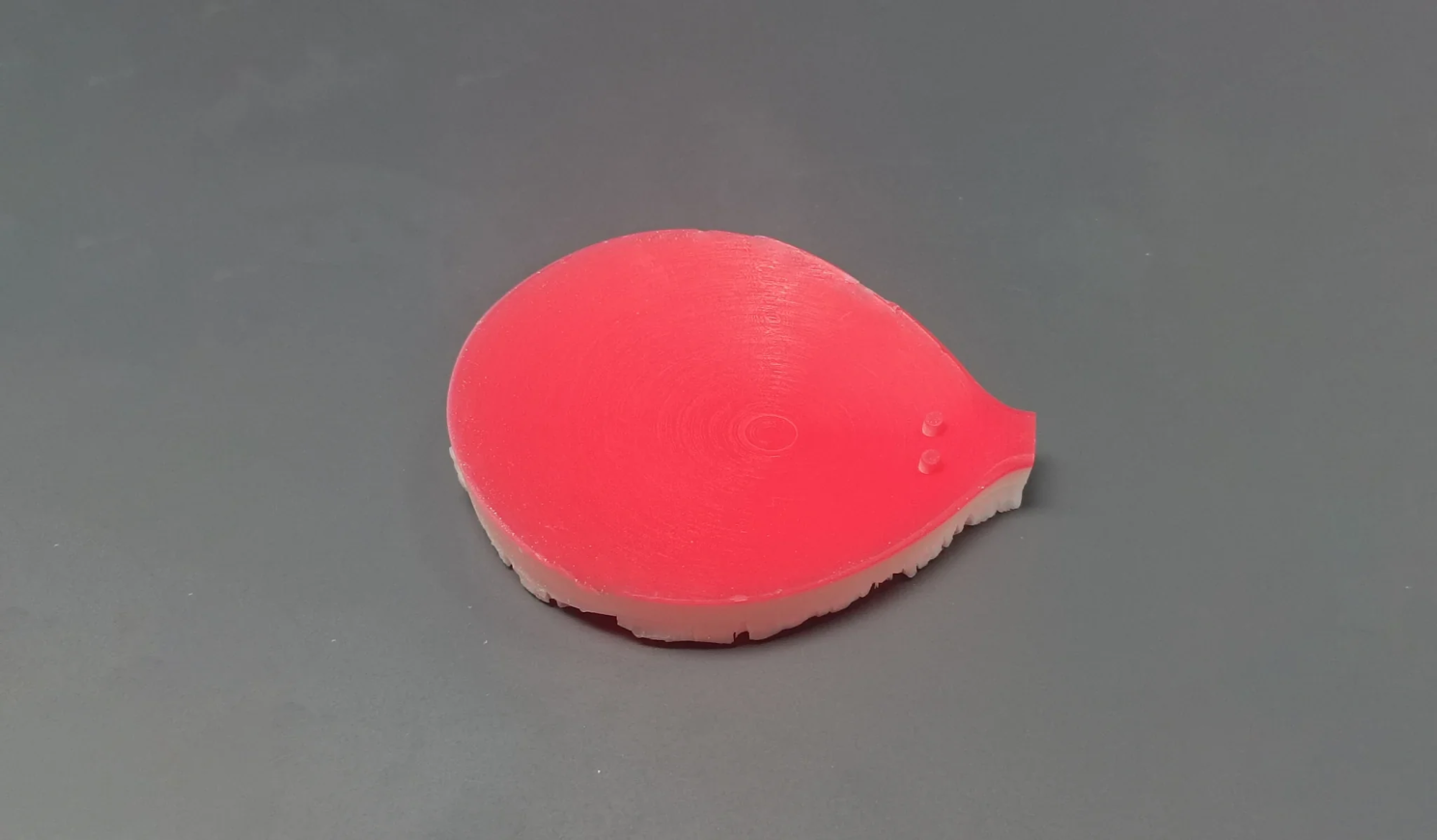
- Basic printers: ~500–600 DPI
- Jewelry-grade systems: 800–1000+ DPI
Even small deviations can affect stone setting accuracy and assembly fit.
Production Consistency and Repeatability
In real production environments, consistency matters as much as individual print quality.
Key evaluation factors:
- Stability across repeated prints of the same model
- Uniform quality across batch production
- Long-term reliability during continuous operation
High repeatability improves yield rates and reduces manual correction work.
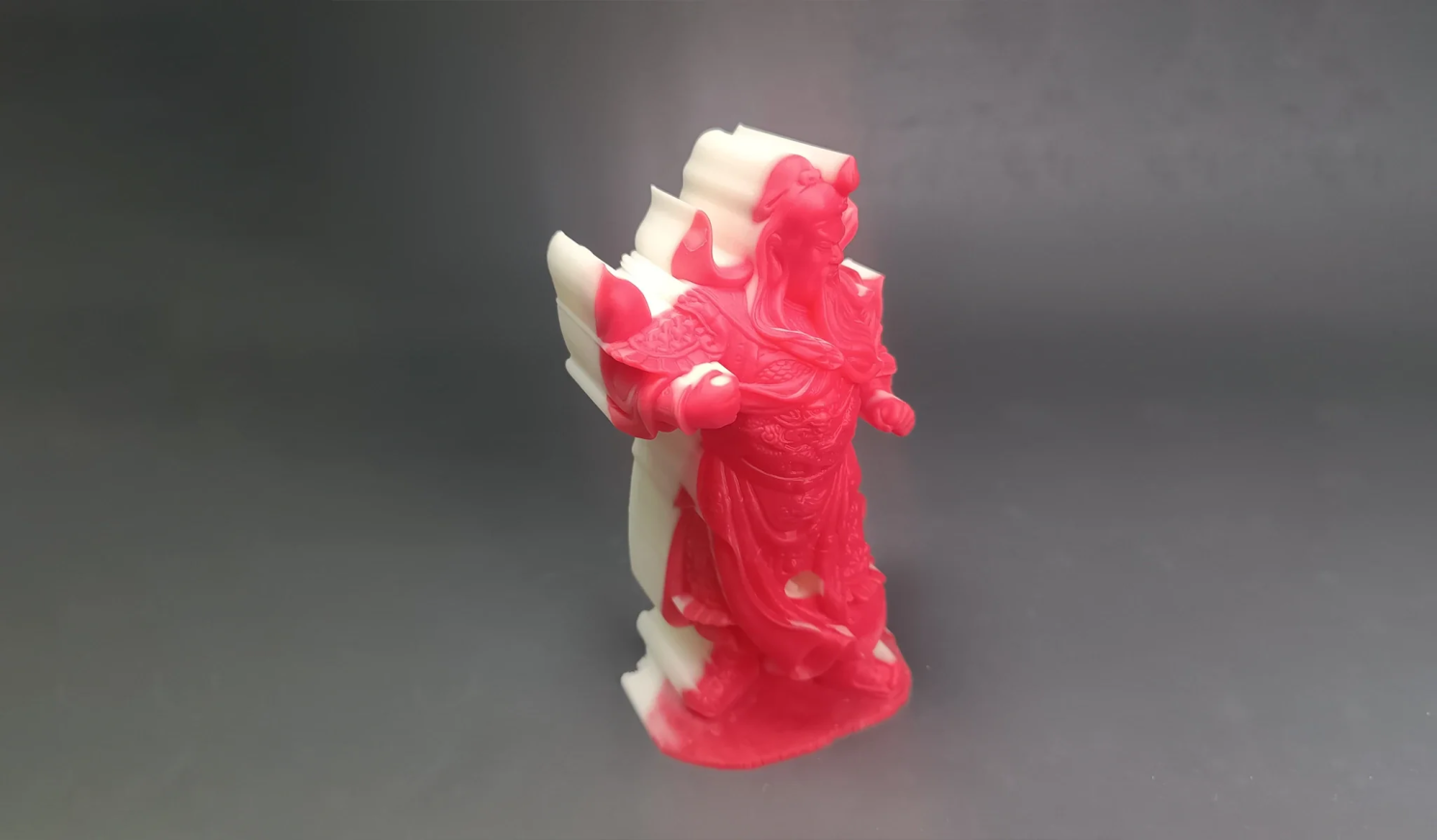
Compact Desktop Wax 3D Printing for Modern Jewelry Studios
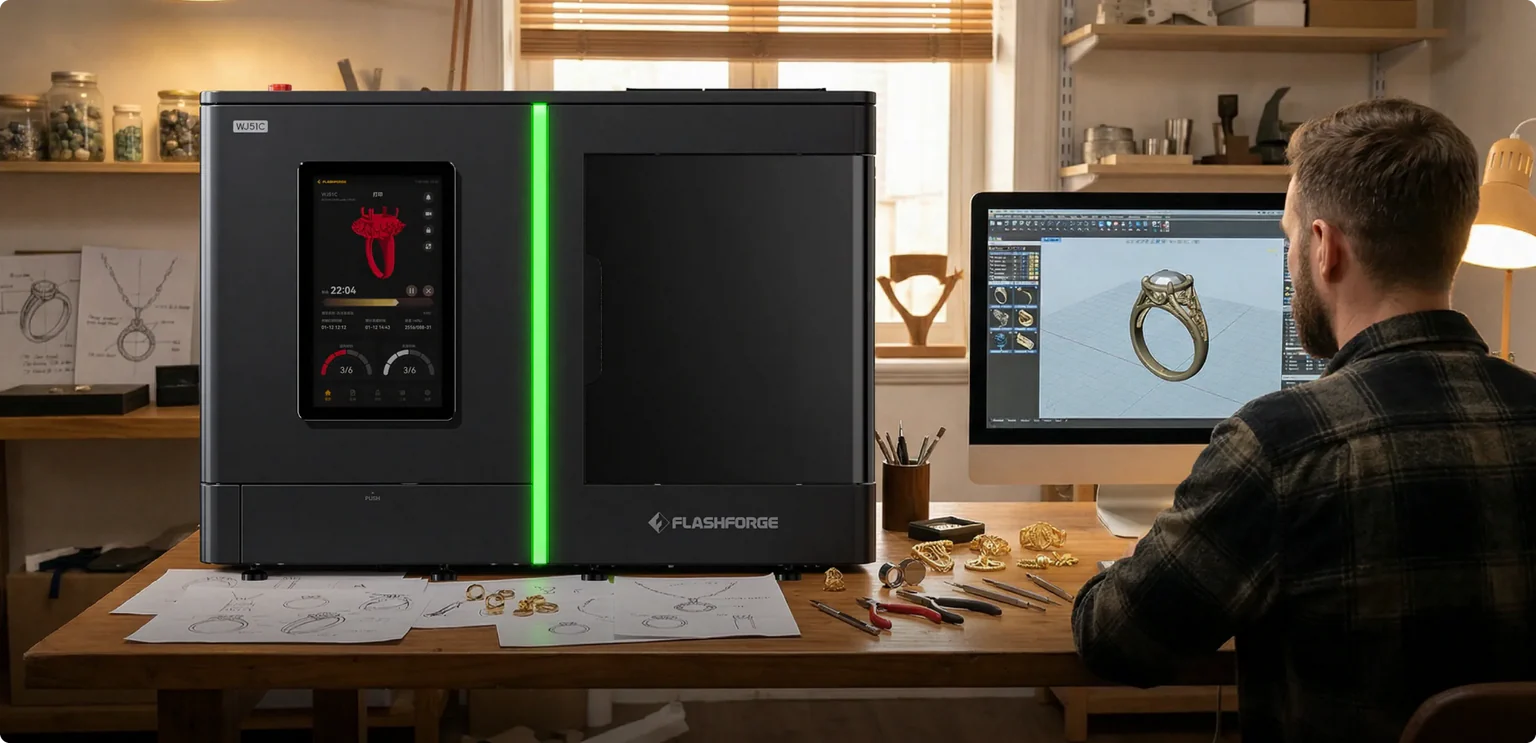
Modern jewelry production is shifting toward compact systems that combine industrial precision with desktop usability. The WJ51C Compact Desktop Wax 3D Printer is designed specifically for this shift, enabling professional-grade wax printing in small workshops without large infrastructure requirements.
Industrial Performance in a Desktop Format
Despite its compact footprint, the system delivers industrial-level output:
- Ultra-high resolution up to 2900 × 2900 × 1700 DPI
- Build volume: 235 × 138 × 100 mm
- Precision accuracy: ±0.04 mm / 20 mm
- Built-in HD monitoring camera
- 13-inch touchscreen control interface
Cost Efficiency and Production Optimization
The system is engineered to reduce total production cost while maintaining precision.
Key advantages:
- Up to 56% reduction in overall production cost
- Reduced wax waste through optimized material usage
- Lower post-processing workload due to smoother output
Operational improvements:
- Continuous 24/7 production capability
- Wax output up to 3 kg/month
- Material utilization increase ≥57%
Materials and Process Optimization
The system integrates improved materials and algorithms:
- Enhanced wax strength and flexibility
- Reduced cracking risk during handling
- Improved fine-detail rendering through optimized slicing algorithms
Designed for Jewelry Professionals
Ideal use cases include:
- Independent jewelry designers
- Small-to-medium jewelry workshops
- Prototyping and custom production studios
- Low-volume, high-precision manufacturing environments
Advanced FAQ for Jewelry Wax 3D Printing
What is the real minimum acceptable resolution for production-grade wax patterns in fine jewelry casting?
For reliable stone-setting accuracy and surface finish consistency, professional workflows typically require at least 800 DPI XY resolution combined with a 15–20 micron layer height. Below this level, micro-defects such as loss of sharp edges and visible stepping can transfer directly into metal casting and increase finishing time.
How does waxjet printing compare to castable resin in long-term production stability?
Waxjet systems generally provide more stable burnout behavior and lower ash residue, making them more predictable for casting workflows. Castable resins can achieve high detail, but they are more sensitive to curing parameters and burnout cycles, which can introduce variability in production consistency.
What types of geometry failures are most critical in jewelry wax printing?
The most critical issues include micro-hole closure, prong deformation, thin-wall collapse, and stair-stepping on fillets. These defects directly affect gemstone fitting accuracy, casting yield, and the amount of post-processing required.
How important is repeatability compared to single-model accuracy?
Repeatability is more important in real production environments. A printer that produces one perfect model but lacks consistency across batches will still cause casting deviations, inconsistent quality, and increased labor costs. Stable repeatability ensures predictable manufacturing output.
What should experienced jewelers test beyond manufacturer specifications?
Beyond technical specifications, professionals should evaluate:
- Surface quality under magnification
- Dimensional shrinkage consistency across batches
- Burnout cleanliness in real casting cycles
- Stability during long continuous print jobs
- Multi-part assembly alignment accuracy
